How Much Does a Japan Cruise Really Cost?
A clear breakdown of Japan cruise cost by ship class and cherry blossom season timing, what's included versus extra, and a realistic per-person budget table.
A friend messaged me last month asking whether a cruise made sense for her family's first trip to Japan. Her very first question was the one almost everyone asks before anything else: how much does a Japan cruise actually cost. It's a fair question. It's also harder to answer with a single number than most cruise line marketing suggests. The price swings a lot depending on the ship, the season, and how much you want handled for you versus arranged yourself.
A realistic Japan cruise cost lands somewhere between roughly $1,000 and $2,500 per person for a 7 to 10 night sailing on a large mainstream ship booked in shoulder season. Small-ship and luxury lines commonly run $4,000 to $10,000 or more per person for a similar length itinerary. Those figures cover the base cruise fare only. Port fees and taxes, gratuities, drink packages, shore excursions, and flights to and from the embarkation port are almost always separate.
Key Takeaways
- Large mainstream cruise lines typically price 7 to 10 night Japan itineraries around $1,000 to $2,500 per person in shoulder season, before extras.
- Small-ship and luxury lines (Viking, Regent Seven Seas, Seabourn, Windstar, Azamara) often charge $4,000 to $10,000+ per person for comparable trip lengths, though many bundle in more.
- Cherry blossom season sailings (roughly late March through early April) carry a real premium and sell out earlier, since land travelers and cruisers compete for the same flights and hotel rooms.
- Port fees, taxes, gratuities, drink packages, and flights are usually not included in the advertised fare and can add several hundred dollars per person.
- Budgeting realistically for a first Japan cruise means pricing the base fare, the near-certain extras, and a flight to the embarkation city separately, not treating the advertised sailing price as the total trip cost.
If you're still deciding whether a cruise is even the right way to see Japan, the Japan cruise planning guide is worth reading before you get into the pricing details below. It covers itineraries, ports, and timing at a higher level, and this post picks up where it leaves off on cost.
What Actually Drives Japan Cruise Cost: Ship Class
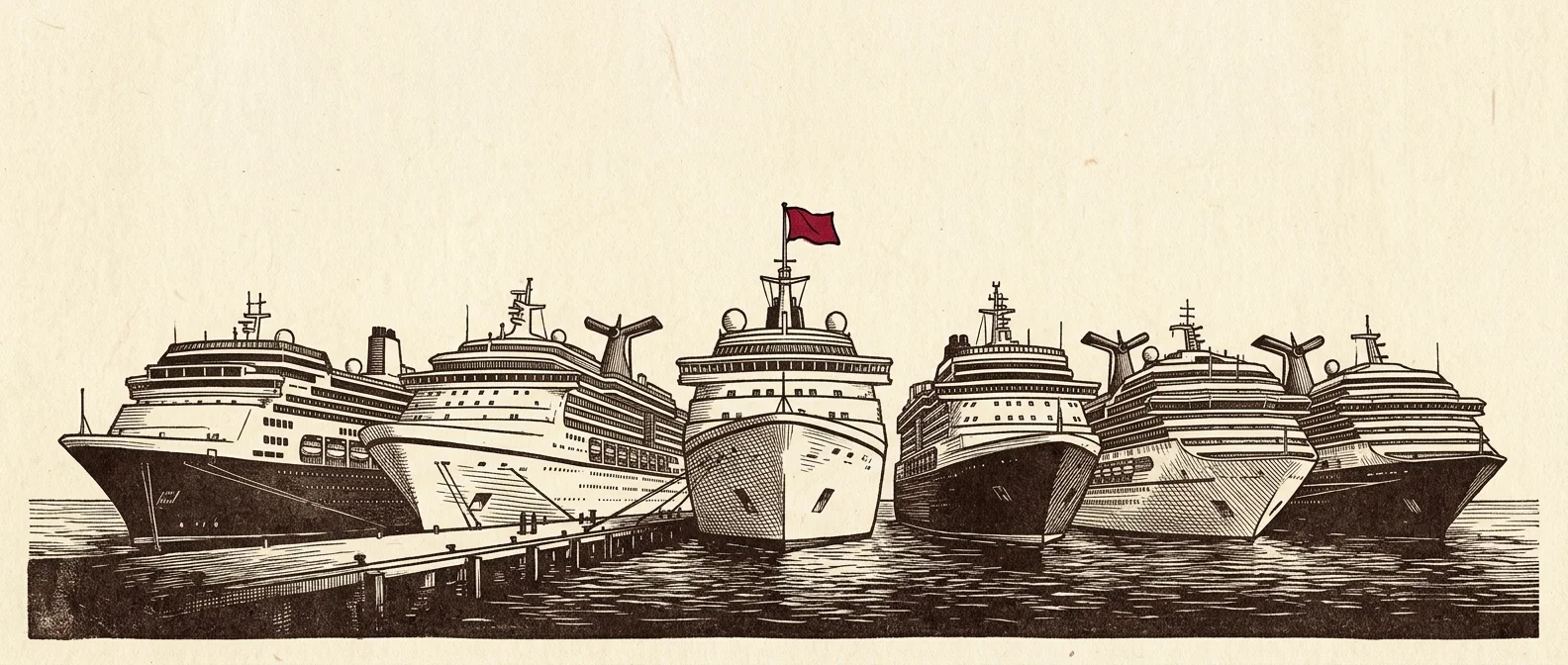
The single biggest factor in what you'll pay is the type of ship, more than the specific cruise line or even the exact itinerary. Japan cruises generally fall into two broad categories, and the gap between them is large.
Large Mainstream Ships
Mainstream lines like Princess, Celebrity, Royal Caribbean, and Norwegian run large ships carrying anywhere from 2,000 to 4,000-plus passengers on their Japan itineraries. Princess Cruises' Japan page is a useful reference point for this tier, since it lists current sailings and fares directly from one of the larger mainstream lines. These sailings tend to price closer to $1,000 to $2,500 per person for 7 to 10 nights in an interior or oceanview cabin during shoulder season. Balcony cabins push that range higher.
The lower per-person cost comes from scale. A ship carrying thousands of passengers spreads its fixed costs across far more fares than a small luxury vessel does. You'll typically pay less per day, but you're also sharing ports with a lot of other people, and shore time in each city is usually shorter and more scheduled around the ship's departure time.
Small-Ship and Luxury Lines
Lines like Viking, Regent Seven Seas, Seabourn, Windstar, and Azamara operate much smaller ships, often carrying a few hundred passengers instead of a few thousand. Viking's Japan page is a representative example of this tier, showing the itinerary style and fare structure common to small-ship, higher-inclusion lines. Per-person pricing for a comparable trip length commonly runs $4,000 to $10,000 or more. Premium suites or longer itineraries can go well beyond that.
Part of that higher price reflects genuinely different inclusions. Many luxury lines bundle gratuities, specialty dining, shore excursions, and sometimes even flights or pre-cruise hotel nights into the advertised fare. That means the headline number, while much higher, is closer to an actual all-in cost. Smaller ships can also access ports that large vessels can't. Some itineraries include overnight stays in a single port city rather than a few hours, which changes what you're actually paying for.
Does Cherry Blossom Season Cost More on a Japan Cruise?
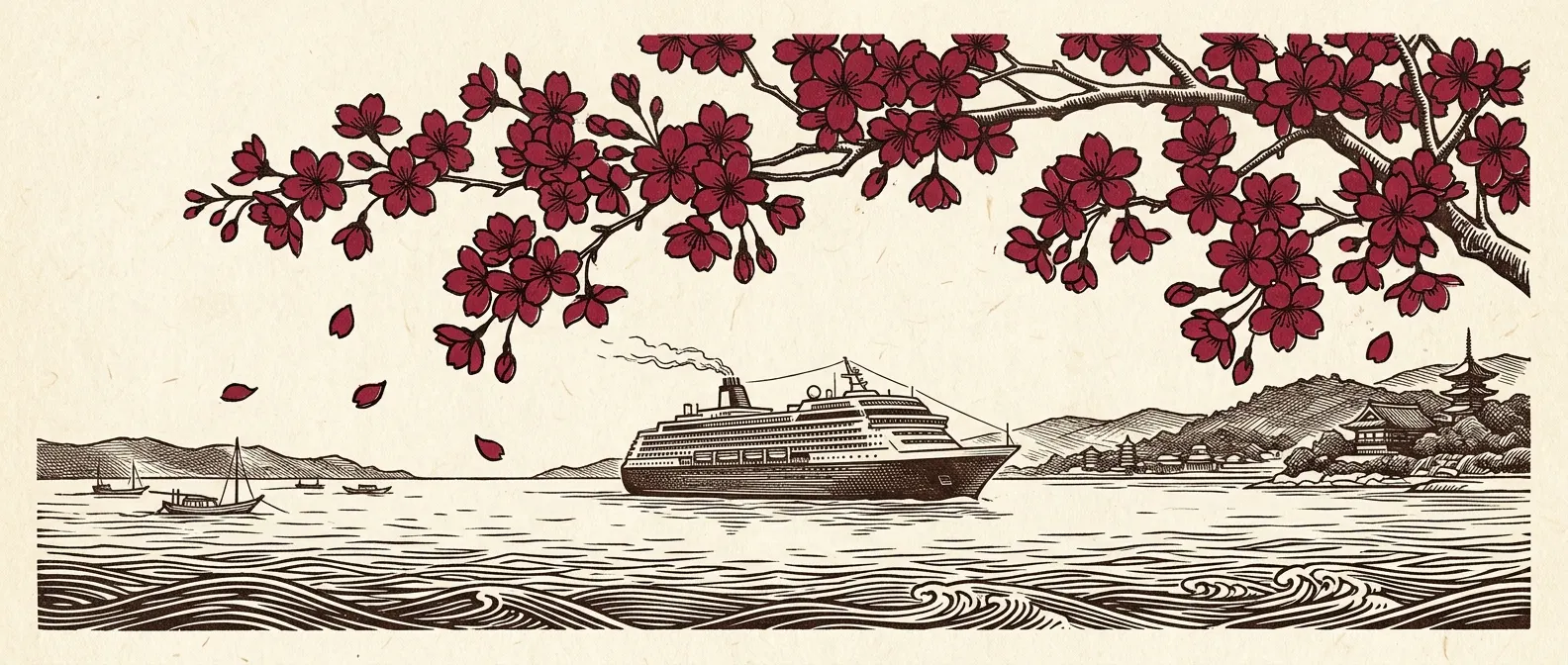
Yes, and the premium is noticeable. Sailings timed to catch cherry blossom season, roughly late March through early April depending on the year and region, typically cost more. Comparable itineraries scheduled for autumn or the shoulder weeks of early summer price lower. Increases in the range of 20 to 40 percent above a similar non-peak sailing are common, though the exact figure depends on the cruise line and how far in advance you book.
Part of the reason is straightforward demand. Sakura season is the single most requested time to visit Japan for both cruise passengers and independent travelers. Both groups compete for the same flights into Tokyo, Osaka, and other gateway cities, plus the same pre- and post-cruise hotel rooms. That overlapping demand pushes up the cost of everything around the cruise, not just the cruise fare itself.
Cherry blossom sailings also tend to sell out earlier than other departures, which means less room for late discounting. Cruise lines routinely drop prices on undersold sailings closer to departure, but that pattern is far less reliable for peak sakura dates because those cabins fill up months ahead.
Autumn sailings, timed around koyo (fall foliage) season in November, see a smaller version of the same effect, since autumn colors are also a popular draw. The cheapest windows tend to be winter departures (January into early February, outside New Year holidays). Early summer, before rainy season and typhoon season pricing risk sets in, is another lower-cost window. Winter and shoulder-season cruises can run meaningfully below cherry blossom pricing, sometimes by several hundred dollars per person. That savings comes with a trade-off: a different, and in winter's case colder, experience in port.
What's Typically Included in a Japan Cruise Fare, and What Costs Extra
This is where a lot of first-time cruisers get surprised, because the advertised sailing price and the actual trip cost can differ by a meaningful margin.
What's Usually Included
The base fare on most Japan cruises covers your cabin, standard meals in the main dining room and buffet, and access to most onboard entertainment and facilities. It also covers transportation between ports as part of the itinerary. That's the core of what you're paying for when you see a headline price advertised.
What's Usually Extra
Port fees and government taxes are charged on top of the fare on nearly every line, mainstream or luxury, and they're often not fully visible until checkout. Port fees are charges collected by each port authority to cover docking, security, and immigration processing, and cruise lines pass them directly to passengers rather than folding them into the advertised fare. Gratuities or service charges are typically billed per person per day, either automatically or as a suggested amount you can prepay. Specialty dining, drink packages, and onboard wifi are add-ons on most mainstream ships, though luxury lines are more likely to include some or all of these.
Shore excursions deserve particular attention for a Japan itinerary specifically, since Japan's ports often require some coordination to see beyond the immediate dock area. Ship-organized excursions in Japan can run $100 to $300 or more per person per stop. A 10-night itinerary with several port days can add a substantial amount if you book every excursion through the cruise line rather than arranging some independently.
Flights to and from your embarkation port are almost never included in the base fare unless you've booked an air-inclusive package. Most Japan cruises embark or disembark in Tokyo (often via Yokohama), Kobe, or Osaka, and flight costs to reach those cities vary a lot by season and by your departure city. Visa requirements can also factor into your planning, depending on your nationality and whether your cruise starts or ends in Japan versus simply calling at Japanese ports as part of a longer regional itinerary. The Japan cruise visa requirements guide breaks down what applies in each situation.
Realistic Japan Cruise Budget by Trip Length
The table below sketches out realistic all-in ranges for three common scenarios. Treat these as planning ranges rather than quotes, since exact pricing depends on the cruise line, cabin category, booking timing, and how many excursions you add.
| Trip Type | Base Fare (per person) | Port Fees & Taxes | Typical Extras (gratuities, drinks, excursions) | Realistic All-In Estimate |
|---|---|---|---|---|
| 7-night mainstream, shoulder season | $1,000-$1,600 | $150-$300 | $300-$700 | $1,450-$2,600 |
| 10-night mainstream, cherry blossom season | $2,000-$3,200 | $200-$350 | $400-$900 | $2,600-$4,450 |
| 10 to 14-night small-ship or luxury | $4,000-$8,000+ | $250-$400 | $200-$600 (often partly included) | $4,450-$9,000+ |
None of these figures include flights to and from the embarkation port. Flights can add anywhere from a few hundred to well over a thousand dollars per person, depending on where you're flying from and how far ahead you book.
How to Bring Your Japan Cruise Cost Down Without Cutting the Good Parts
A few adjustments make a real difference without sacrificing much of the experience.
Booking outside cherry blossom season is the single biggest lever, since the premium on those sailings is one of the largest and most avoidable costs in this whole equation. Autumn and winter departures, or the shoulder weeks just before or after peak sakura, tend to price noticeably lower while still offering good weather and full itineraries.
Choosing an interior or oceanview cabin over a balcony on a mainstream ship can meaningfully lower the base fare. This trade-off makes sense since much of a Japan port day is spent off the ship rather than relaxing in the cabin. Prepaying gratuities and drink packages during a cruise line sale, rather than waiting until embarkation, often locks in a lower rate than paying onboard.
Matching your embarkation port to wherever you can find the cheapest flights also matters on a Japan itinerary. Tokyo, Osaka, and Kobe don't always have comparable airfare from a given departure city, so this can matter more here than on many other cruise routes. Finally, it's worth researching a couple of ports in advance and arranging your own time ashore for at least part of the itinerary, rather than booking every ship excursion. Japan's train and taxi systems are reliable enough that independent exploration is realistic in most port cities.
Is a Japan Cruise Worth the Cost?
Once you've seen the real numbers, the natural follow-up isn't just what it costs, it's whether that cost buys you a trip that's actually better suited to what you want out of Japan. A cruise trades some flexibility and depth in each city for convenience and a single unpacking. I've laid out that trade-off in more detail, including how it stacks up against planning an independent rail-based trip, in is a Japan cruise worth it, which is worth reading before you commit to a booking.
Frequently Asked Questions
Do Japan cruise fares include port fees and taxes?
Usually not. Port fees and government taxes are charged separately from the advertised sailing fare on most lines, mainstream and luxury alike, and they're typically added during checkout rather than shown in the headline price you see in ads or search results.
Is cruising cheaper than independent travel in Japan?
It depends on the ship class and how you'd otherwise travel. A mainstream cruise can be cost-competitive with a mid-range independent trip once you factor in lodging, regional trains, and meals, especially since the cruise fare covers your accommodation and most meals for the whole trip. A small-ship or luxury cruise is typically more expensive than an equivalent independent itinerary, since you're paying for a smaller ship, more inclusions, and often a higher level of service.
How much should I budget per day for shore excursions?
If you're booking excursions through the cruise line, $100 to $300 per person per port day is a realistic range depending on the activity and how far it takes you from the dock. Arranging your own transportation and sightseeing in port, using trains, taxis, or a rental guide, can lower that considerably in cities with reliable public transit, though it takes more advance research.
The Bottom Line
There's no single answer to what a Japan cruise costs, because ship class and season change the number by a factor of several times over. What's consistent is that the advertised fare is a starting point, not the total trip cost. Budget the base fare, then add a realistic allowance for port fees, gratuities, drinks, and excursions. Price your flights to the embarkation city separately before you compare a cruise against any other way of seeing Japan. Once you have that full picture, the Japan cruise planning guide is the next stop for working out which itinerary and season actually fit your trip.