What to Pack for a Japan Cruise (Season-by-Season Packing List)
Plan your Japan cruise packing list by season: documents, ship essentials, shore excursion gear, temple-visit etiquette, and what to wear year-round.
Packing for a Japan cruise is different from packing for a Caribbean or Mediterranean sailing. You're not just dressing for a ship. You're dressing for shrine courtyards, train platforms, and izakaya counters too. A good Japan cruise packing list has to work in two worlds at once: the formal-night dining room and the gravel path up to a mountain temple.
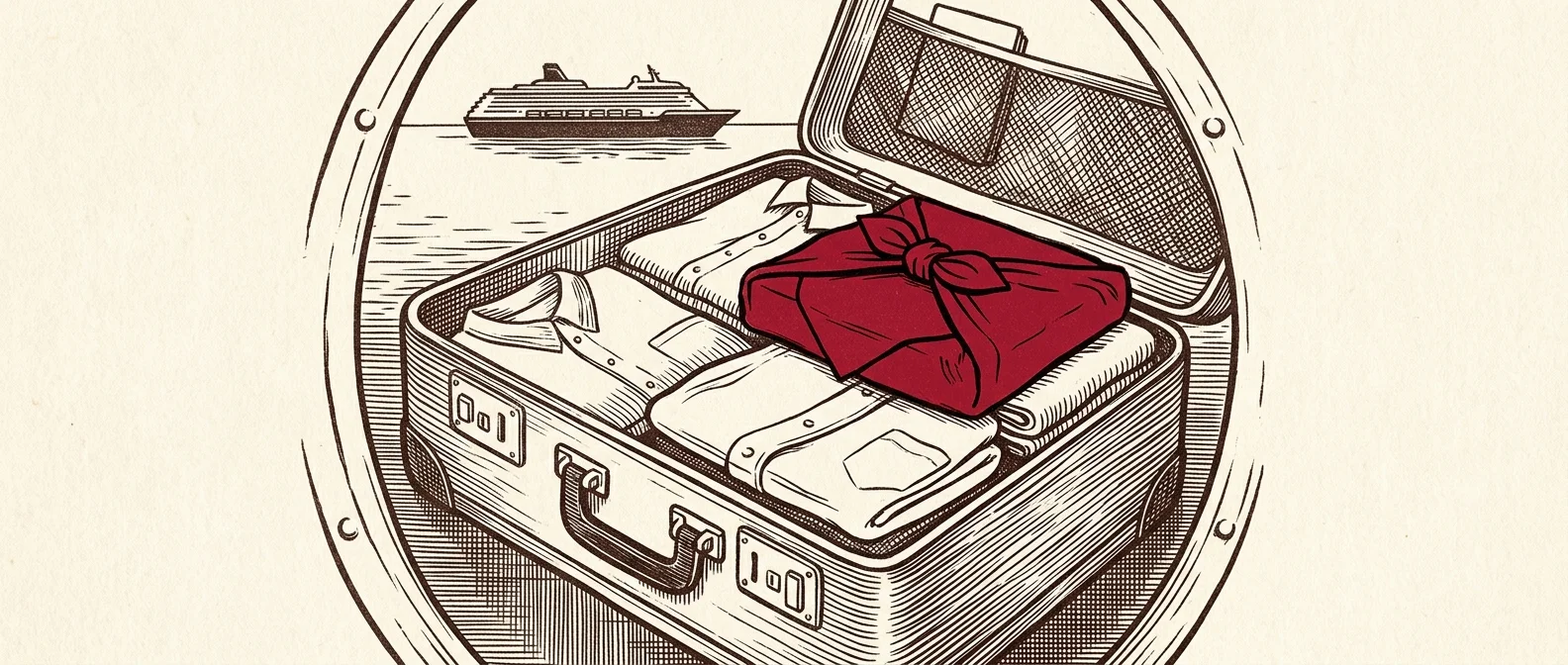
The single most useful packing principle for a Japan cruise is simple: pack in layers you can add or remove quickly. Build your suitcase around the season you're sailing in, not a generic "Japan trip" list. Japan's climate shifts fast, from cherry blossom season to typhoon season to snow season. Your ports matter too. Subtropical Okinawa and wintry Hokkaido call for very different bags, and that shapes your packing as much as the ship's dress code does.
This guide breaks the packing list down by category first, then by season. That way you can build a bag that works for shipboard life and for a day of temple-hopping ashore. For the bigger picture on choosing dates, routes, and lines, start with our Japan cruise planning guide. The Japan National Tourism Organization is also a solid resource for entry requirements and seasonal event dates as you plan what to pack.
Key Takeaways
- Layer your clothes. Add or remove pieces as you move between the ship and the street.
- Pack for the season you're sailing in. Spring, summer, autumn, and winter in Japan feel very different.
- Bring slip-on shoes and modest layers for temples and shrines. Many ask you to remove your shoes and cover your shoulders or knees.
- Carry cash as well as cards. Many small shops, shrines, and rural restaurants in Japan are cash-only.
- Pack a compact day bag for shore excursions. It matters as much as your main suitcase.
Documents and Money You Can't Forget
Start with the essentials. These are the items that can derail your trip if they're missing at check-in or at a port gate.
- Passport with at least six months of validity remaining
- Printed and digital copies of your booking confirmation and any excursion tickets
- Travel insurance details, including your policy number and an emergency contact line
- A physical credit card and a backup card, kept in separate bags
- Japanese yen in cash, since not every port town has a reliable ATM for foreign cards
- A phone note with your ship's departure time and dock location at each port, so you don't miss the ship
Money deserves its own mention. Japan has modernized fast, but it's still more cash-heavy than many travelers expect, especially outside big cities. Smaller shrines, family-run restaurants, and local buses often don't take cards at all. Keep a dedicated cash wallet separate from your cards and ID. It makes it easy to pay quickly at a shrine donation box or a small noodle counter.
If you're still working out whether a Japan sailing fits your budget, our how much a Japan cruise costs breakdown is a useful companion to this packing list. Your budget shapes how much you spend on shore excursions and shopping. That, in turn, affects how much extra suitcase space you'll want to leave.
Cruise Ship Essentials
A cruise adds a few packing needs that a land-only Japan trip wouldn't have. Think about what the ship requires, separate from what Japan requires.
Formal and Smart-Casual Nights
Most mainstream cruise lines sailing Japan still schedule one or two formal or elegant-casual evenings. You'll also get several smart-casual nights in the main dining room. Check your cruise line's dress code before you pack, since policies vary. A safe baseline includes:
- One outfit for a formal or elegant-casual night: a dress, or a collared shirt with a blazer and dress pants
- Two to three smart-casual outfits for regular dining nights
- Comfortable, packable dress shoes that don't take up much space
- A light wrap or cardigan for women, since dining rooms and theaters run cold
Shore Excursion Day Bag
A separate small bag for days ashore matters more on a Japan cruise than on most other itineraries. Japanese ports often mean a lot of walking between the dock, transit, and the actual sights.
- A lightweight daypack or crossbody bag with a zippered pocket for valuables
- A portable phone charger, since navigation and translation apps drain batteries fast
- A reusable water bottle, since trash cans are scarce but water and convenience stores are everywhere
- A compact umbrella, useful in nearly every season
- Tissues and hand sanitizer, since public restrooms don't always stock paper towels or soap
Japan-Specific Etiquette Items to Pack
Some packing choices exist because of how Japanese spaces work, not because of the cruise. Getting these right makes daily life smoother, and it shows respect at religious and cultural sites.
Slip-On Shoes
Many temples, traditional restaurants, ryokan-style inns, and even some private homes ask visitors to remove their shoes at the entrance. Fumbling with laces while a line forms behind you is a small but avoidable headache.
- At least one pair of shoes you can slip on and off easily
- Clean, presentable socks, since your feet will be visible indoors
- A second pair of walking shoes for heavy-mileage days, so you're not wearing the same pair daily
Modest Layers for Shrines and Temples
Japan doesn't enforce strict dress codes at most shrines and temples. Still, modest, respectful clothing is the norm, and locals sharing the space appreciate it.
- A light scarf or shawl to cover your shoulders if needed
- Pants or a skirt that falls at or below the knee for temple-heavy days
- A layer to cover a swimsuit or tank top if you stop at a shrine after the beach or an onsen town
Cash Wallet and Coin Purse
Japanese coins carry real value. You'll collect them fast from vending machines, train fares, and small purchases. An IC card is a rechargeable prepaid card, like Suica or Pasmo, that works on most trains, subways, and buses in Japan, and often at convenience stores too.
- A wallet with a coin compartment, since Japanese currency includes 1, 5, 10, 50, 100, and 500 yen coins
- A slim card holder for your IC card, if you plan to ride trains or buses at port cities
- Small bills for temple donation boxes. A modest amount dropped in is normal; nobody expects change.
What to Pack for Spring in Japan (March to May)
Spring is cherry blossom season in most of Japan. It's one of the most popular windows for cruise itineraries. Weather swings widely within the season, so layering is essential.
- A light jacket or trench coat for cool mornings and evenings
- Short and long-sleeve layers you can mix as the day warms up
- A compact umbrella, since spring showers are common
- Sunglasses and a light scarf for breezy weather near the ports
- Walking shoes with good grip, since blossom viewing means uneven park paths
Summer Japan Cruise Packing List (June to August)
Japanese summers are hot and humid, especially in cities like Osaka, Hiroshima, and Fukuoka. Rainy season, called tsuyu, usually runs into late June or early July. Intense heat follows right after.
- Lightweight, breathable fabrics like linen or moisture-wicking synthetics
- A wide-brimmed hat or cap for sun protection
- A sturdy travel umbrella that doubles as a parasol
- Sunscreen and cooling wipes or a portable fan, since humidity makes midday sightseeing draining
- A spare shirt for the afternoon, since summer heat means you'll sweat through morning layers
- Sandals for casual days, plus closed-toe shoes for temple visits
Autumn Packing List (September to November)
Autumn brings some of Japan's most comfortable walking weather. Fall foliage peaks in the second half of the season. Early autumn can still carry typhoon risk in southern and central Japan.
- Layerable long sleeves and a light sweater for cool evenings
- A packable rain jacket, useful for typhoon season and general autumn showers
- A medium-weight jacket for late November sailings, when northern ports turn cold
- Closed-toe shoes with good tread for foliage-viewing hikes
Winter Packing List, Including Hokkaido (December to February)
Winter cruises to Japan vary widely by port. Southern stops like Kagoshima stay mild, while Hokkaido turns genuinely cold and snowy, with well-known snow and ice festivals. Pack for your itinerary's northernmost port.
- A warm, insulated coat if your route includes Hokkaido or northern Honshu
- Thermal base layers for snow-region excursions
- Waterproof, insulated boots with solid traction for icy sidewalks
- Gloves, a scarf, and a warm hat for outdoor festival visits
- Hand warmers. They're cheap, easy to find in Japan, and genuinely useful outdoors.
- Lighter layers too, for milder southern ports on the same itinerary
Frequently Asked Questions
Do I need formal wear for a Japan cruise?
Most mainstream cruise lines schedule at least one formal or elegant-casual evening per sailing, along with regular smart-casual nights. Check your line's dress code in advance. Packing one dressier outfit with several smart-casual options covers most itineraries.
How many outfits should I pack for a week-long Japan cruise?
Plan for roughly one outfit per day for shore excursions, plus two or three separate dining outfits for the ship. Laundry access varies by cruise line, and you'll likely want fresh layers after humid or rainy port days.
Is Japan a cash-only country?
No, but it's more cash-dependent than many travelers expect. Major hotels, department stores, and chain restaurants generally accept cards. Small shops, shrines, local buses, and rural restaurants often expect cash instead, which is why a dedicated cash wallet is worth packing.
Final Thoughts
The best Japan cruise packing list isn't one generic bag. It's a base kit of documents, ship essentials, and etiquette-friendly items, adjusted for your season and ports. Build your list around layers you can add or shed quickly. You'll be ready for a formal dinner and a temple courtyard on the same day. Once your bag is sorted, revisit the Japan cruise planning guide to double-check that your route, timing, and port days line up with what you've packed.